Key Points
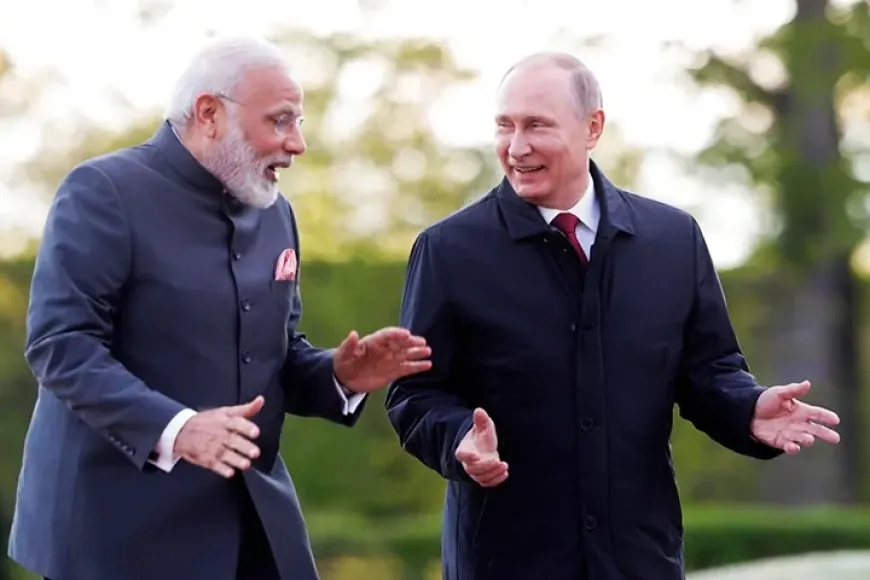
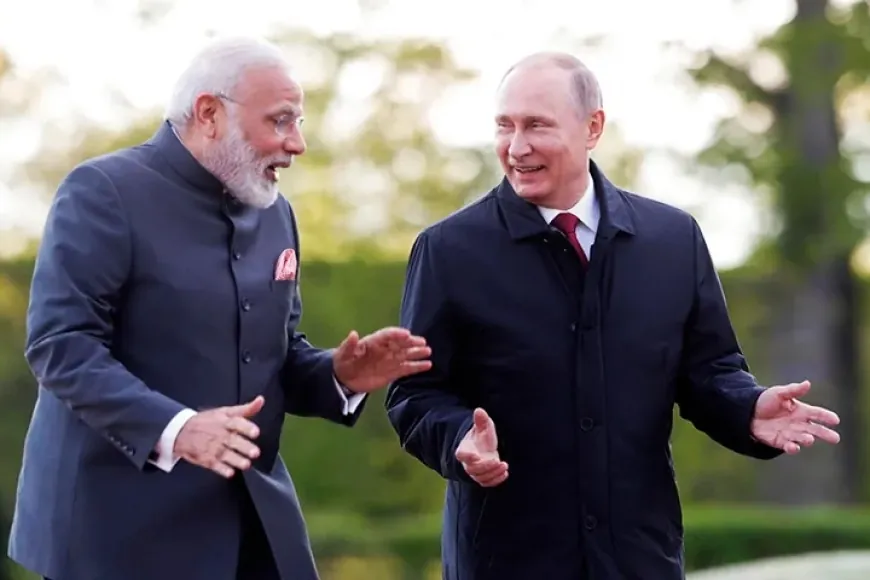
Russian President Vladimir Putin will travel to India this week for a summit that aims to strengthen cooperation in energy, defense and trade. The visit places India’s strategic partnerships in sharp focus as its government maintains strong ties with both Russia and the United States during the ongoing conflict in Ukraine.
Putin is expected to arrive Thursday for a state visit. His meeting with Prime Minister Narendra Modi will take place Friday, where the leaders will assess bilateral progress and finalize commercial and government-level agreements, officials from both nations confirmed.
India continues to purchase discounted Russian crude, despite U.S. pressure to reduce energy links with Moscow. The United States has argued that these purchases help sustain Russia’s wartime revenues. Washington recently increased tariffs on Indian imports to 50%, adding fresh strain in the relationship.
New Delhi maintains that Russian oil remains essential to meet demand from a population of 1.4 billion and to manage fuel prices at home.
The two leaders last held an extended summit in 2021. Modi visited Moscow in 2024, and they met briefly in September at a regional forum in China.
India’s Approach to the Ukraine Issue
India has not condemned Moscow in public statements since the start of the conflict. Instead, New Delhi has repeated that it supports a negotiated outcome based on diplomacy. During this week’s meeting, Modi is expected to present that position again directly to Putin, as India continues engagement with both Russia and Western governments on the matter.
Trade and Industry Talks
India will seek additional market access in Russia for pharmaceutical products, agricultural goods and textiles. Indian officials said the government wants non-tariff barriers removed so exporters can expand shipments already in place.
Talks will also cover fertilizer supply arrangements that India considers necessary for farm production. New Delhi continues to push for long-term pricing and secured delivery commitments from Russian suppliers.
Both governments are also discussing a system that would allow qualified Indian workers to take up jobs in Russian industries under regulated terms. Indian officials said Moscow has identified sectors where it needs skilled labor, and New Delhi wants clear guidelines before any placements begin.
Russian Oil Supplies and Energy Projects
The United States continues to press India to scale down Russian oil purchases. New U.S. sanctions on Rosneft and Lukoil complicate procurement channels, though India intends to keep buying from suppliers that are not sanctioned.
Officials in New Delhi say India will not commit to reducing energy flows that support its economic needs, while also respecting international rules.
Energy cooperation will remain central in the discussions — including India’s investments in Russia’s Far East and progress on the Kudankulam nuclear power plant in Tamil Nadu. Expansion of local production for reactor components and joint work in third countries are also expected to be reviewed.
Defense Deliveries and Equipment Talks
India will ask Russia to speed up delivery of the remaining two S-400 air defense units. Three units have been delivered since the 2018 contract worth about $5.4 billion, but the schedule slowed due to supply issues linked to the Ukraine conflict.
Discussions will also cover upgrades for India’s Su-30MKI fighter fleet and faster delivery of spare parts. Indian officials have said these items are needed to maintain operational readiness.
Russia has proposed additional defense platforms, including the Su-57 fighter jet. India has not committed to any new purchases and continues to compare offers from multiple countries.
Despite procurement changes in recent years, Russia still supplies the largest share of India’s military equipment and remains an important source of air defense and aviation systems.
Also Read: Trump Plans Heavy Sanctions on Russian Oil if NATO Agrees